Home Assistant continues to lead the way in open-source smart home solutions, and its latest release—version 2025.4—further strengthens its position with several practical and user-centric improvements. This update introduces a host of new features, including an experimental Areas Dashboard, a fresh Clock card, and significant advancements in voice assistant capabilities. These updates aim to enhance usability, automation management, and the natural interaction between users and their smart environments.
Among the highlights, the Areas Dashboard is designed to organize the user interface more intuitively by auto-generating layouts based on designated home areas. The newly introduced Clock card brings timekeeping directly into the dashboard, while improvements in voice control open doors to more seamless and natural conversations with AI assistants. Enhanced onboarding tools, support for restoring backups via the cloud, and new integrations all contribute to a smarter and more refined home automation experience.
Experimental Areas Dashboard for Smarter Layouts
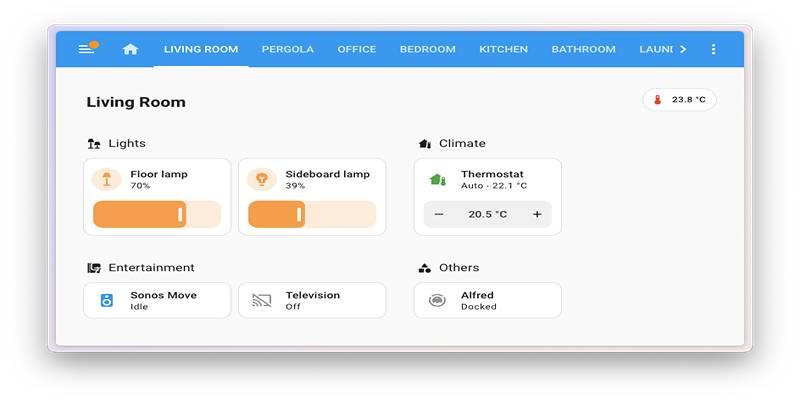
One of the standout additions in Home Assistant 2025.4 is the experimental Areas Dashboard. This feature takes a step toward more intuitive home control by automatically building a user interface structured around the defined areas of a home—such as kitchen, living room, or garage.
Rather than manually configuring views or dashboards, users now have the option to let Home Assistant generate an organized layout. This interface makes use of section groupings and tile cards to present devices, sensors, and controls relevant to each space. The result is a cleaner and more context-aware experience, especially useful for users managing large or complex home setups.
While the feature is currently experimental, early impressions suggest that it significantly reduces the time and effort required to make dashboards useful and visually organized. As the community continues to test and provide feedback, this dashboard has the potential to become a default standard for new users.
A Customizable Clock Card
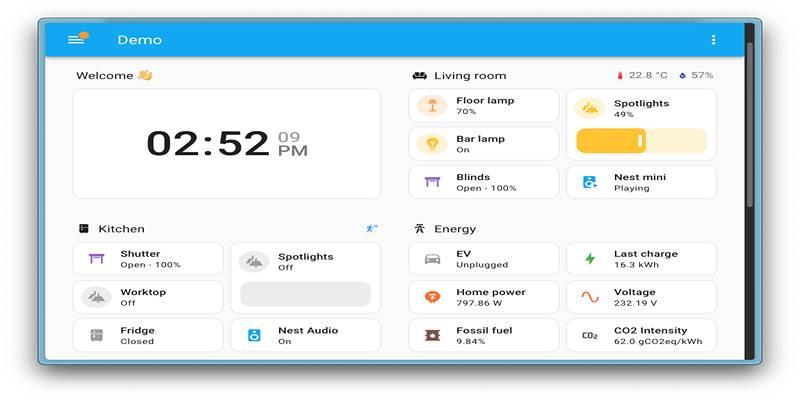
Another quality-of-life addition is the new Clock card, which lets users embed the current time directly into their Home Assistant dashboards. While time might seem like a basic function, the ability to customize its appearance and placement can make dashboards more functional and visually cohesive.
Users can adjust the format, style, and integration of the clock with other cards, helping create a more holistic view of their home status. For instance, a wall-mounted control tablet can now serve as a multifunctional panel—displaying time, temperature, security system status, and more—all in one place.
The Clock card adds to the growing collection of visual elements in Home Assistant, empowering users to create control panels that suit both their technical needs and aesthetic preferences.
More Natural Voice Interactions
Voice control has long been a critical part of the smart home experience, and Home Assistant 2025.4 takes several steps to make it more natural and reliable. The updated voice wizard simplifies the initial setup process, making it easier for users to configure voice assistants for the first time.
Even more impressively, this update introduces continued conversations with large language models like ChatGPT. Instead of stopping after a single command, the assistant can now engage in ongoing dialogue. This conversational mode allows for more fluid interaction, where the assistant can remember context and respond accordingly.
Users employing ESPHome-based voice assistants also benefit from the ability to initiate voice calls to analog phones. This opens up new use cases for intercom systems or emergency calling, bringing advanced functionality into everyday settings without complex hardware requirements.
Together, these updates show Home Assistant’s commitment to delivering voice-first control that is both robust and accessible.
Onboarding and Backup Restoration Made Easier
One of the most frustrating aspects of any smart home system is getting started—or recovering after something goes wrong. Home Assistant 2025.4 smooths out both of these experiences with support for cloud-based backup restoration during onboarding.
When setting up a new Home Assistant instance, users can now directly pull backups from the Home Assistant Cloud, rather than uploading files manually. This feature is especially valuable for those upgrading hardware, migrating installations, or recovering from data loss. It reduces setup time and lowers the technical barrier for less experienced users.
This enhancement also reflects a growing maturity in Home Assistant’s platform design, moving from purely DIY origins to something that’s becoming more user-friendly for mainstream adoption.
Expanding Integration Options
As with every major release, version 2025.4 adds and improves integrations to support a wider range of smart devices and systems. New integrations introduced in this release include:
- Bosch Alarm – For connecting with home security systems.
- Remote calendar – Enabling scheduling and automation based on calendar events.
- Pterodactyl – For managing server environments from within Home Assistant.
Additionally, virtual integrations such as FrankEver, LinkedGo, and Ogemray expand compatibility with a broader ecosystem of smart products, particularly in international markets.
Existing integrations have also seen improvements. Platforms like OpenAI and Google AI now offer better performance and reliability, especially for users running advanced automations or leveraging AI for contextual decision-making. These updates allow Home Assistant to better serve both beginners and advanced users looking to push their smart home setups further.
Improvements in Energy Management and Templates
Energy management is becoming an increasingly important aspect of smart home solutions, and Home Assistant continues to invest in this area. Version 2025.4 introduces refinements to its energy dashboard, allowing for more granular tracking of electricity usage, solar production, and consumption trends.
New templating options also make it easier for users to write automations, generate custom values, or create logic-driven dashboards. These templates reduce the complexity of creating powerful customizations and improve clarity in user configurations.
Bug fixes and minor performance improvements across the platform round out the release, contributing to a more stable and responsive experience overall.
Conclusion
Home Assistant 2025.4 brings a suite of thoughtful enhancements that elevate its usability, personalization, and intelligence. The experimental Areas Dashboard introduces an intuitive way to visualize and control your home by automatically organizing devices and interfaces. The new Clock card adds useful functionality while allowing for personal aesthetic choices, and voice assistant upgrades make interaction smoother and more conversational.
With improved backup tools, broader integration support, and continued refinement of templates and energy features, this update signals a strong commitment to user experience and long-term platform growth. Whether you're just starting with Home Assistant or you're an experienced user managing dozens of devices, version 2025.4 delivers real value in simplifying control, enhancing automation, and making home life smarter.