As artificial intelligence continues to become more collaborative and compute-intensive, platforms like KREA AI are evolving to support teams, not just individuals. In its latest move, KREA AI has launched a new Team Plans feature that enables users to create teams, pool computational resources, and simplify billing under one account. This marks a significant step in making AI-driven work more accessible and coordinated for research groups, studios, and development teams.
Rather than having each member handle their own compute units and payment responsibilities, the new system enables centralized resource management. A team owner can invite others to join, allocate compute credits, and ensure everyone has the tools they need—all from a unified dashboard. For creative professionals, academic labs, and AI developers working across geographies or departments, this collaborative model offers a more seamless and scalable way to work on shared goals.
Simplifying Collaboration Through Team Creation
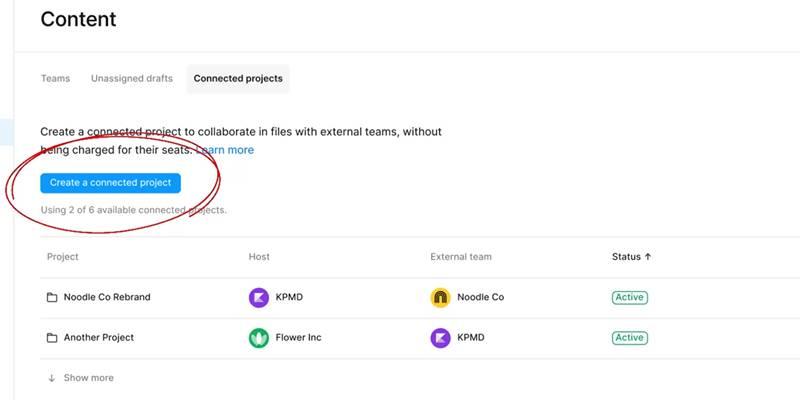
The foundation of KREA AI’s Team Plans lies in how simple it is to form and manage a team. Users can initiate a team directly from the platform, choosing a team name and setting up roles. This feature removes much of the friction commonly associated with project collaboration, where every user might need their own subscription or compute account.
Once a team is created, the administrator (or team creator) gains control over resource allocation and membership. They can invite team members via email or platform handles, giving them immediate access to pooled computational resources without needing individual subscriptions. This centralizes resource sharing while maintaining visibility and administrative control, both of which are essential for organized project execution.
Centralized Compute Resource Sharing
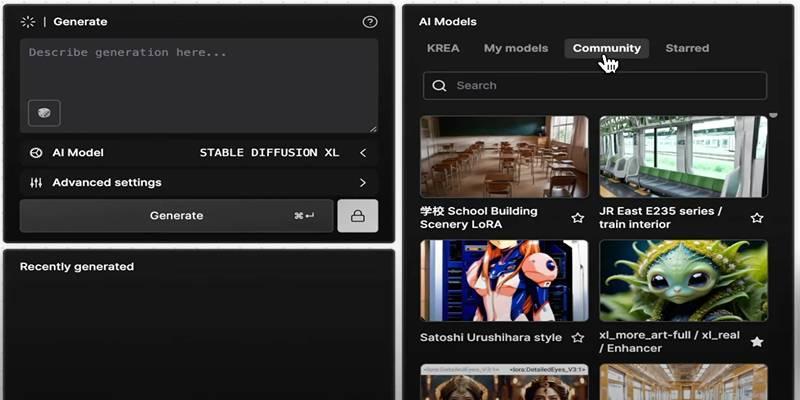
At the core of Team Plans is the shared use of compute units, which are essential for running AI models and creative tools hosted on KREA AI. Rather than managing separate compute budgets, the platform allows the team creator to purchase compute units in bulk and distribute them across the team as needed.
This means that whether a team member is training a model, generating visuals, or working on data-heavy tasks, they draw from a shared pool. The convenience of shared computing not only optimizes usage but also avoids the issue of underutilized resources across individual accounts. If one member isn’t using their share, another can make full use of it—boosting efficiency without wasting credits.
This design supports flexible workloads and accommodates different team structures, from tightly coordinated teams working on a shared product to loosely affiliated collaborators contributing at different times.
Unified Billing for Better Expense Management
One of the more pragmatic benefits of KREA AI’s Team Plans is its streamlined billing model. Rather than requiring each member to handle separate payments or invoice submissions, the platform consolidates all compute usage under a single team account.
This simplifies financial oversight and makes it easier for teams to predict costs, manage budgets, and allocate funds appropriately. Whether the team is part of a company, a university, or a freelance collective, having one account handle payment responsibilities eliminates confusion and potential administrative errors.
By unifying billing, KREA AI also makes it more feasible for institutions or organizations to support teams without needing to micromanage individual subscriptions. The platform essentially brings SaaS-style team licensing to the compute layer, which is a key advantage for AI platforms where compute usage often varies unpredictably.
Role-Based Access and Member Controls
Another strength of the Team Plans system is its inclusion of role-based access and permissions. Team creators can set roles for each member, giving them specific access levels depending on their responsibilities.
For instance, a project lead may be granted access to billing insights and resource allocation tools, while a contributor might only be able to utilize compute units and access shared project files. This distinction ensures operational security and governance, especially in environments where sensitive data or proprietary models are being developed.
These controls provide peace of mind for team administrators and support structured collaboration—especially when teams grow in size or begin working on multiple simultaneous initiatives.
Designed for Creative and Technical Teams Alike
While Team Plans are especially valuable for technical users building and training AI models, KREA AI has also considered the needs of creative professionals. Artists, motion designers, and content creators who rely on KREA AI for AI-powered visual generation can now collaborate more effectively in shared environments.
For example, a studio can onboard multiple team members to explore design variations, create concept art, or prototype campaigns—all without needing to juggle different accounts or worry about separate compute balances.
The plan’s flexibility also accommodates hybrid teams composed of both creatives and engineers, ensuring everyone can contribute to projects with the tools and compute resources they require.
Supporting Group Innovation at Scale
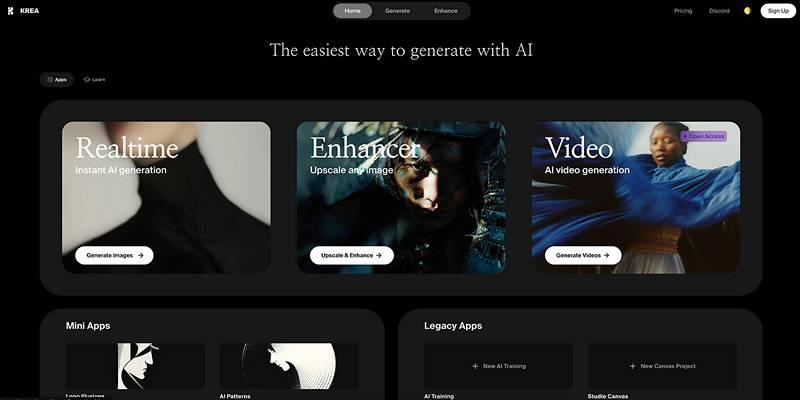
The new Team Plans aren’t just about managing logistics—they’re about unlocking new forms of collaboration. By removing the friction associated with compute access and billing, KREA AI is empowering teams to focus on ideation and execution instead of overhead.
This model is ideal for:
- AI research groups working on shared machine learning experiments
- Creative collectives producing high-volume visual content
- Startups coordinating product development with distributed contributors
- Educators and students collaborating on coursework and research
In each scenario, centralized compute and account management make it easier to work together, iterate faster, and keep everyone aligned.
Enhancing Transparency with Usage Insights
To help teams monitor activity and optimize resource use, KREA AI includes usage tracking tools within Team Plans. Admins can see how many compute units are used, who is using them, and for which projects. These insights help identify overuse, uncover inefficiencies, and ensure fair distribution of compute resources across the team.
This level of transparency supports responsible resource management and can help teams make better decisions when scaling usage or adjusting workflows. It’s particularly helpful for budget-conscious teams that need visibility into how their investment in compute is being applied.
Seamless Integration with Existing KREA Workflows
For those already using KREA AI, adopting Team Plans doesn’t require a major shift in workflow. The platform’s team functionality builds directly on top of the existing interface, maintaining a consistent user experience while adding collaborative capabilities.
Tools, models, and creative environments remain the same—now with the added layer of shared access and billing. This ensures that existing users can expand into team-based operations with minimal disruption or onboarding friction.
Moreover, for new users joining a team for the first time, the setup process is streamlined, requiring only an invitation and account link to get started.
Conclusion
KREA AI’s introduction of Team Plans marks a thoughtful and timely expansion of its platform—transforming it from a solo-friendly AI workspace into a true collaborative computing environment. With features like shared compute resources, centralized billing, role-based permissions, and real-time usage tracking, Team Plans make it easier than ever for teams to collaborate efficiently and scale their creative or technical work.
By streamlining the backend complexities that typically slow down team-based AI projects, KREA AI is not only simplifying access to computational resources but also enabling a new wave of teamwork-driven innovation. Whether for research, design, education, or development, Team Plans give groups the infrastructure they need to stay productive, aligned, and focused on what truly matters—building and creating together.